
350 developers, investors and property professionals walked into Villa Park on Wednesday 15th July. Across two stages and twelve keynotes, they heard some of the sharpest thinking in the UK property market, on the new political landscape, creative deal structuring, development finance, and where the real opportunities are hiding in 2026.
Here’s what happened at the event.
The room
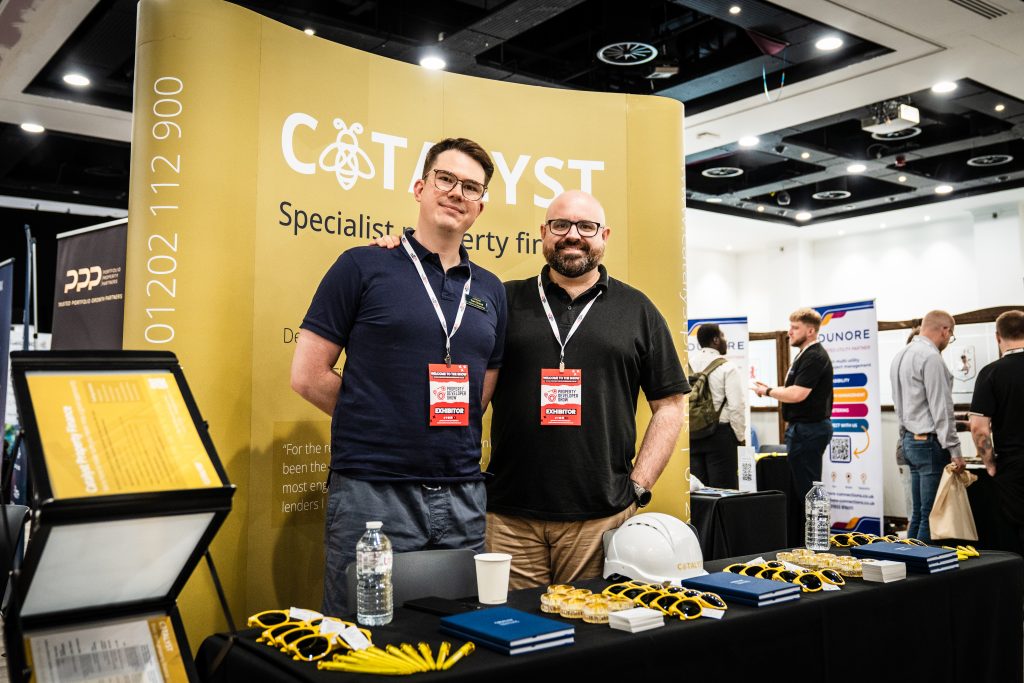
35 exhibitors filled the floor, from Platinum Sponsors Catalyst Property Finance, GoHighLevel and MSP Capital, through to Aria Finance, CrowdProperty, Landstack, Roma Finance, Searchland, Sitefinder, TDN Birmingham and more.
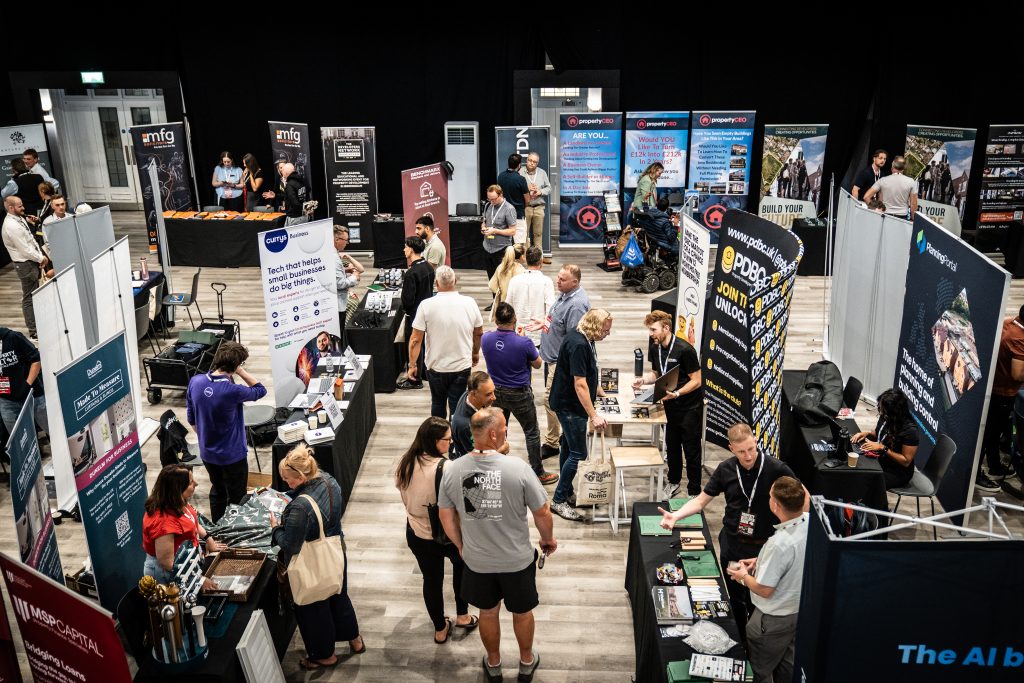
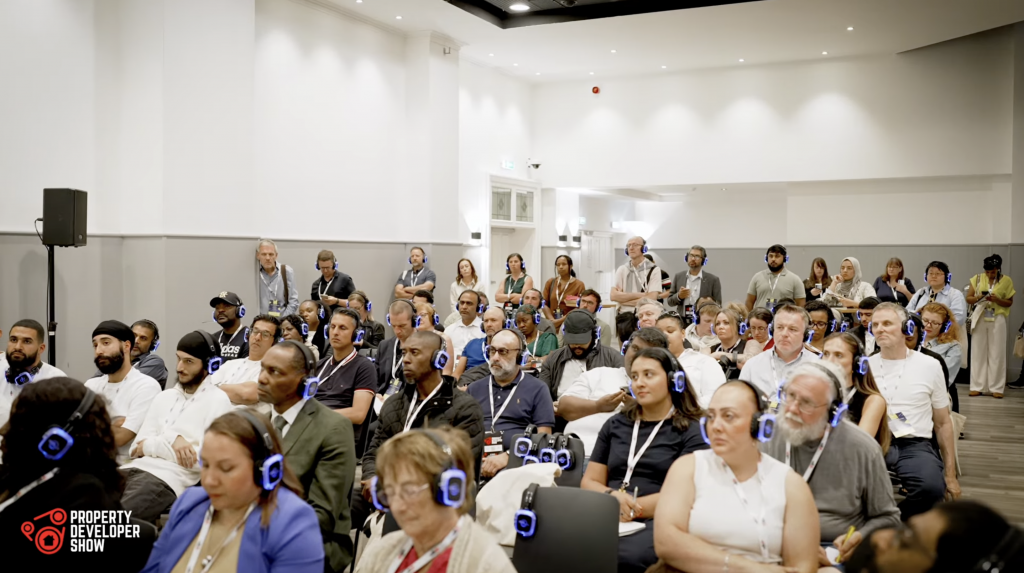
The show ran two stages simultaneously, giving attendees a full day of practical, content no death by PowerPoint, no generic cheerleading about the property market. Just people doing the work, sharing what they know.
Keynote highlights
What does the Burnham world look like for property people?
Adam Lawrence | Propenomix
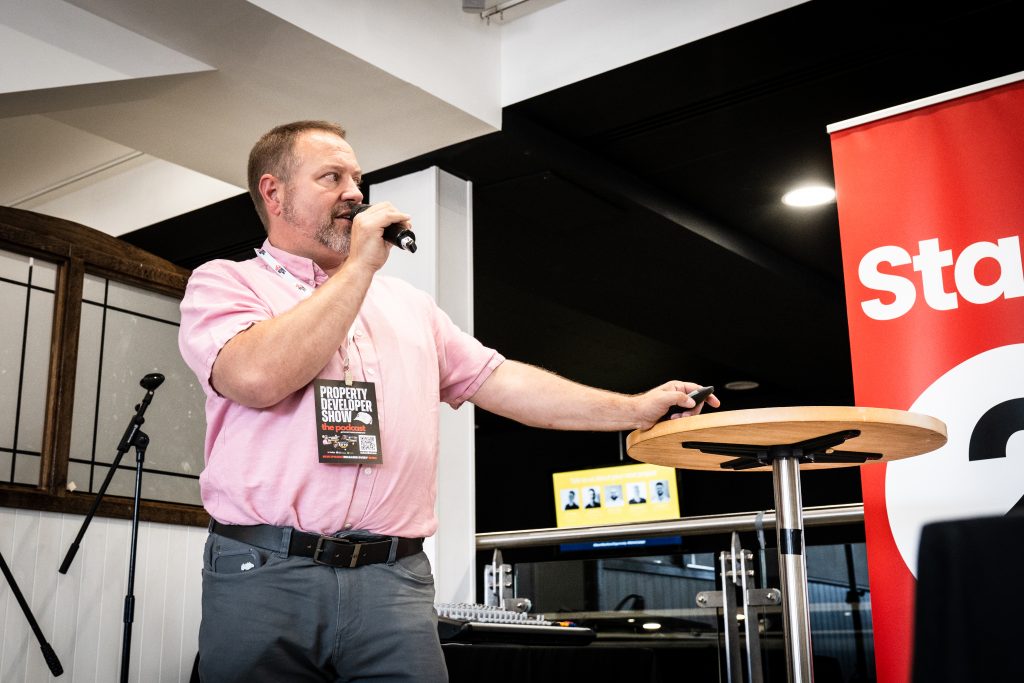
Adam Lawrence, an economist, landlord, and author of the weekly Propenomix Sunday Supplement, delivered a forensic analysis of what Andy Burnham as Prime Minister actually means for UK property market, delivered just days before Burnham was set to enter No.10.
What changes under Burnham:
- The geography of money – powers and funding tilt North and to the Midlands
- Planning authority – mayors and regions take the pen, Whitehall call-ins fade
- Social housing ambition – the biggest council house programme pledged since the post-war period
- The tone – place-first delivery replacing Westminster point-scoring
What doesn’t change:
- The fiscal envelope – Burnham has committed to Starmer’s spending rules, which means the chequebook stays thin
- The arithmetic – 2-3 bed terraces still aren’t being built at the rate the country needs, and that shortage survives every reshuffle
On the council house pledge, 90,000 per year, the biggest since the post-war era, Adam Lawrence was clear-eyed about the maths. Even building 18,000 new units per year, Right to Buy and demolitions mean a net gain that’s “a rounding error.” The blueprint can’t be delivered without private developers. His message to the room: be the delivery partner, the JV counterparty, the land assembler.
His developer playbook for the Burnham world:
- Appraise at today’s money, not the cut you’re hoping for. 6%+ limited-company rates are the base case now. Cuts are the upside.
- Buy the gap, not the listing. A 21% listing-to-sale price spread and 46% withdrawal rate means the market is full of motivated vendors hiding behind fantasy asking prices.
- Follow devolved money, not manifestos. Track combined-authority pipelines and mayoral capital programmes, that’s where funded demand shows up first.
- Position for partnership delivery. The council-house programme needs private sector capacity.
- Watch the Cabinet appointments. Specifically, the Chancellor. Reassurance pick = more of the same. Believer pick = selective all change. Wildcard = buckle up.
For those in the West Midlands: Lawrence highlighted Birmingham specifically as a city built for the Burnham playbook, mayoral money, HS2 gravity, and a density agenda already in motion.
10 ways to structure property purchases in a challenging market
John Howard | Property Investor
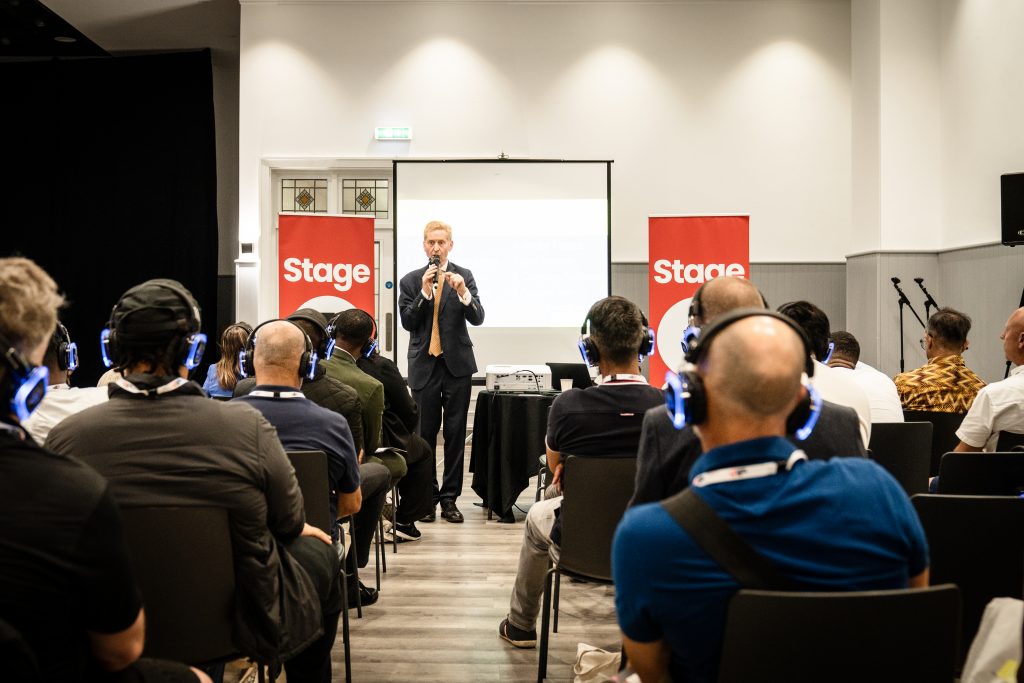
John Howard, one of the most experienced investors in the UK market, who’s also been on our podcast, ran through ten creative purchase structures that remain viable even as conventional financing gets harder. In a market where 46% of listings leave agents’ books unsold, knowing how to structure a deal is the difference between getting it done and watching it walk.
The ten methods: cash, delayed completion, enhanced deposit, subject to planning, option agreement, vendor finance, joint venture, company purchase, assisted sale, and angel investment.
The message underneath all ten: vendors are more motivated than they’re letting on. The structure is how you close the gap between what they’re asking and what the deal actually supports.
How to position your deal for the best bridging finance offers
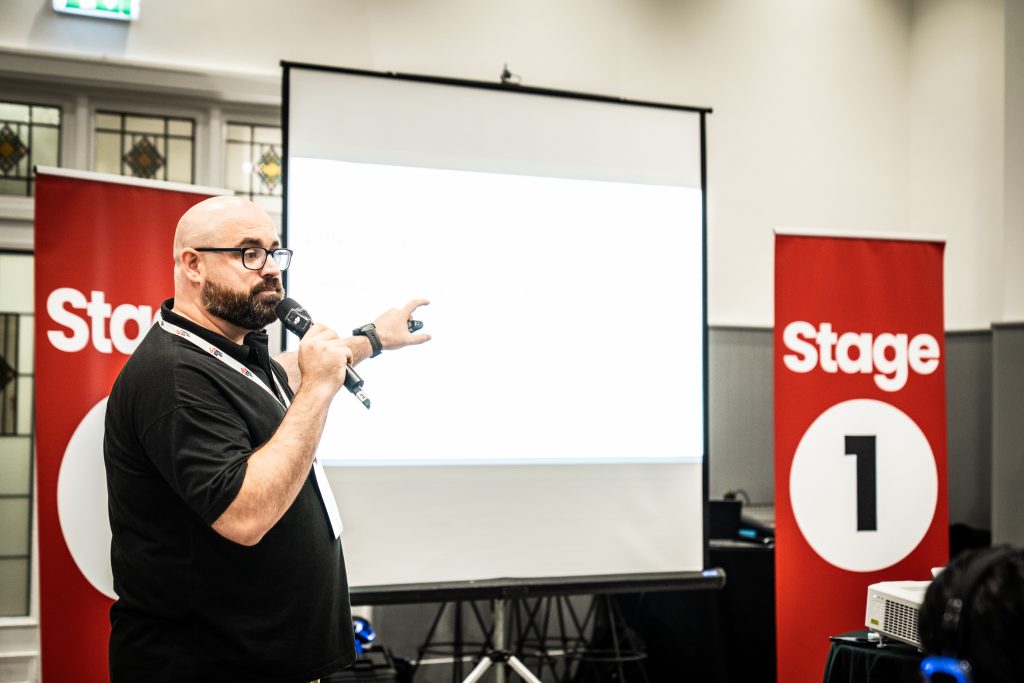
James Farge | Catalyst Property Finance
James Farge from Catalyst Property Finance, our Platinum Sponsors, laid out what lenders are actually looking for in 2026 and how to present a deal that gets the best terms rather than a flat no.
The numbers behind Catalyst’s track record at Property Developer Shows this year speak for themselves. Across the first four shows of 2026, they’ve issued over £11 million in policy-backed terms, including:
- Ground-up development – 6 apartments in Sidcup, £1.4m total gross facility, 70% LTGDV
- Development exit – 3 detached new-build homes, £875,000 total gross facility, 75% LTV
- Commercial purchase & conversion – conversion to four two-bedroom apartments, £575,000 total gross facility, 70% LTV
Preparation, presentation and relationships matter more than ever.
Other keynotes on the day
Daniel Curtis, MSP Capital opened the morning with Top Tips for Buying at Auction, a practical guidance on a route to market that rewards buyers who’ve done their homework.
Guillaume Black (Property Filter) and Reshma Thakore (Sitefinder) delivered a joint session on becoming a top 1% property investor, covering the mindset, the system, and the deals.
Ashley Halsey, Searchland walked through how to source smarter development sites in 2026, cutting through the noise by using the the right software to find opportunities before they hit the open market.
Paul Ribbons a property trader, shared the investor mindset that finds value where others don’t look.
Shane Traynor, Property Developer Buying Club tackled the rising build cost challenge and how smart buying power keeps margins alive when materials and labour costs keep moving.
Devesh Khatri, GoHighLevel covered the AI-powered growth flywheel, five things winning property businesses are doing differently right now.
Joe Aston, Aria Finance looked at portfolio growth strategy, maximising yield through smarter structuring rather than just acquiring more assets.
Daniel Hill, Property Entrepreneur closed the afternoon main stage with the story of going from £100K to £10M, deal by deal, in a decade.
The day closed with a Property Developer Q&A Panel hosted by The Developers Club, featuring Chris King, Mehmet Kaan Can, and Deepika Paruchuri, a live forum that gave the audience the floor.
The Property Developer Buying Club
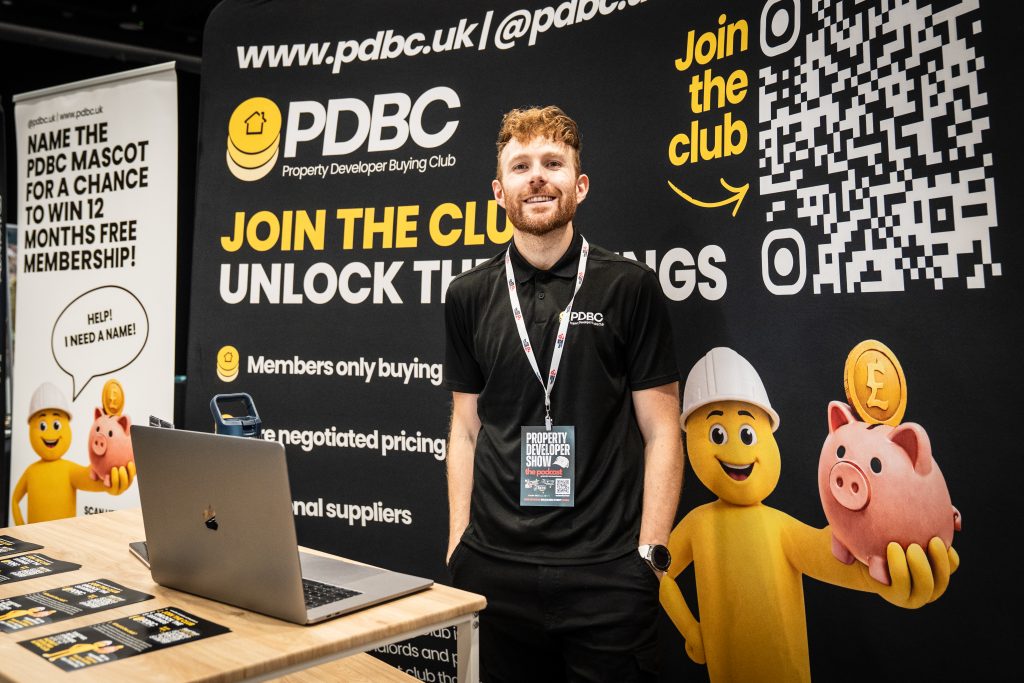
Twelve new members joined the Property Developer Buying Club on the day, a membership that gives SME developers access to better prices on materials and services through group purchasing power. If you’re not a member and you’re actively developing, this is how you can start saving money on your projects: pdbc.uk
Next up: Manchester, 9th September
The show moves to Old Trafford on Wednesday 9 September. Given everything Adam Lawrence laid out about the North West being first in the queue for devolved power and regeneration funding under Burnham, the timing couldn’t be better.
Free tickets are available now. If you’re a developer or investor operating anywhere in the North, or you want to be, this is the room to be in.
Register for Manchester here →
Property Developer Show runs events across the UK throughout 2026. Next stops: Manchester (9 Sept) and Leeds (7 Oct). Free tickets available at propertydevelopershow.co.uk
Property Developer Show | Birmingham | 15 July 2026 | Aston Villa



0 Comments